How to Choose UV Resistant Acrylic Sheets for Outdoor Applications

Informational

Acrylic sheets are widely used in outdoor environments because they offer excellent clarity, lightweight properties, and strong impact resistance. However, when selecting acrylic for outdoor projects, UV resistance becomes one of the most important factors to consider.

Without proper UV protection, plastic materials can gradually lose transparency, become brittle, or develop surface discoloration after prolonged sun exposure. This is why many architects, designers, and fabricators choose UV resistant acrylic sheets for outdoor applications.

This guide explains how to choose the right acrylic sheets for outdoor environments to ensure durability and long-term performance.

1. Look for Built-In UV Resistance

The most important feature of outdoor acrylic sheets is UV stability.

UV resistant acrylic sheets are specially formulated to withstand long-term exposure to sunlight without significant degradation. This helps prevent common issues such as:

  • Yellowing or discoloration
  • Surface cracking
  • Reduced transparency
  • Material brittleness

High-quality acrylic sheets can maintain their optical clarity and structural strength for many years, even in outdoor conditions.

Read also: Cost Breakdown: How Acrylic Can Help You Save Budget in Long-Term Projects

2. Consider the Application Requirements

Different outdoor applications require different types of acrylic sheets. Before choosing a material, it is important to understand how the acrylic will be used.

Common outdoor applications include:

  • Outdoor signage and advertising panels
  • Architectural panels and skylights
  • Protective barriers
  • Greenhouse panels
  • Display cases and retail signage

For signage and display purposes, high transparency and surface quality are essential. For structural or protective panels, impact resistance and thickness may be more important.

3. Choose the Right Thickness

Acrylic sheets are available in various thickness options, typically ranging from a few millimeters to much thicker panels for industrial use.

For outdoor applications:

  • 3–5 mm sheets are commonly used for signage and display panels
  • 6–10 mm sheets are suitable for structural panels and partitions
  • Thicker sheets may be required for heavy-duty installations

Selecting the correct thickness helps ensure stability, durability, and resistance to environmental stress.

Read also: How to Identify High-Quality Cast Acrylic Sheets | Buyer’s Guide

4. Evaluate Optical Clarity and Surface Quality

One of the biggest advantages of acrylic over other materials is its excellent optical clarity. High-quality acrylic sheets can offer transparency levels of up to 92% light transmission, which is even higher than glass.

For outdoor branding or display applications, consistent surface quality is essential to maintain a clean and professional appearance.

Poor-quality sheets may have issues such as:

  • Uneven surfaces
  • Distortion
  • Lower transparency

These problems can affect both aesthetics and performance.

5. Choose Reliable Acrylic Sheet Manufacturers

The quality of acrylic sheets depends greatly on the manufacturing process and raw materials used. Reliable manufacturers typically provide consistent thickness, strong molecular structure, and better long-term durability.

For projects that require high performance and stability, cast acrylic sheets are often preferred because they offer better strength, chemical resistance, and fabrication quality compared to lower-grade alternatives.

Conclusion

Choosing the right UV resistant acrylic sheet for outdoor use ensures your project remains durable, visually appealing, and functional for years.

When selecting acrylic sheets for outdoor environments, consider the following factors:

  • UV resistance
  • Thickness and strength
  • Optical clarity
  • Application requirements
  • Manufacturer reliability

By selecting high-quality acrylic sheets designed for outdoor performance, you can reduce maintenance costs and improve the lifespan of your project.


News Release

Best Acrylic Sheet for Cake Topper: Thickness, Finish & Tips

Acrylic has become one of the most popular materials for creating cake toppers, thanks to its clarity, durability, and versatility.

Whether you are a small business owner, crafter, or manufacturer, choosing the right acrylic sheet for cake topper projects is essential to achieve clean, professional results.

Understanding the right thickness, finish, and material characteristics will help you produce high-quality toppers that stand out.

Why Acrylic Sheet is Ideal for Cake Toppers

Acrylic sheets are lightweight yet strong, making them perfect for decorative applications like cake toppers. Compared to other materials, acrylic offers a smooth surface that is easy to cut, engrave, and print on.

It also provides a premium look with glass-like clarity, which enhances the overall aesthetic of the cake design. For businesses, acrylic ensures consistency in production, especially when using laser cutting or CNC machines.

Read also: Acrylic Application for Accessories: Stylish, Durable, and Versatile

1. Choosing the Right Thickness

Thickness plays a crucial role in determining the durability and appearance of your cake topper.

For most applications, acrylic sheets between 2 mm to 3 mm are considered ideal. A 2 mm sheet works well for smaller, lightweight designs, while 3 mm provides additional rigidity for larger or more intricate toppers.

Using acrylic that is too thin may result in bending or breakage, while overly thick sheets can look bulky and harder to cut with precision.

2. Selecting the Right Finish

Acrylic sheets come in a variety of finishes, each offering a different visual effect.

Clear acrylic is the most commonly used option for cake toppers. It delivers a clean and elegant look, especially for weddings and formal events. 

Colored acrylic sheets, such as black, gold, or pastel tones, are also popular for adding contrast and personality.

For a softer appearance, frosted acrylic can be used to create a matte effect. Meanwhile, glossy finishes are ideal when you want a more vibrant and polished result.

3. Fabrication Tips for Best Results

To achieve the best outcome, proper handling and fabrication techniques are essential.

Laser cutting is highly recommended for creating precise shapes and smooth edges. Make sure to use high-quality acrylic sheets to avoid chipping or uneven cuts.

When designing your topper, consider adding a strong base or stem to ensure stability when placed on the cake. It is also important to remove protective film carefully after cutting to maintain a scratch-free surface.

Read also: Acrylic for Art and Crafts, Endless Creativity Only for You

Choosing Quality Acrylic Sheets

Not all acrylic sheets are created equal. High-quality acrylic offers better clarity, consistent thickness, and improved durability.

For businesses or bulk production, sourcing acrylic sheets from a reliable supplier ensures consistent results across every batch. This is especially important for maintaining product quality and customer satisfaction.

Conclusion

Selecting the best acrylic sheet for cake topper projects comes down to choosing the right thickness, finish, and material quality. With the right combination, acrylic provides a perfect balance of strength, aesthetics, and ease of fabrication.

For anyone looking to produce professional-grade cake toppers, investing in high-quality acrylic sheets is a smart and reliable choice.

Looking for high-quality acrylic sheets for your cake topper projects? Marga Cipta provides premium acrylic sheets with consistent thickness, excellent clarity, and ready-to-process surfaces, perfect for laser cutting and custom designs. 

Contact us at info@margacipta.com or our Instagram to order and get the best material for your production needs. 

Can Acrylic Be Used Outdoors? Everything You Need to Know

Yes, acrylic can be used outdoors. In fact, acrylic is one of the most popular materials for outdoor signage, protective barriers, architectural features, and display applications due to its excellent weather resistance and optical clarity.

Unlike many plastics that degrade quickly when exposed to sunlight, high-quality acrylic sheets are designed to withstand outdoor conditions while maintaining their appearance for years.

If you're considering acrylic for an exterior project, understanding its outdoor performance can help you make the right material choice.

Why Acrylic Performs Well Outdoors

Acrylic is naturally resistant to many environmental factors that commonly affect plastic materials.

Some of its key outdoor advantages include:

  • Excellent UV resistance
  • Good weather durability
  • High optical clarity
  • Resistance to moisture
  • Long service life

Because of these characteristics, acrylic is frequently used in applications where both durability and appearance are important.

Read also: Acrylic vs Glass for Plaque: Which Material is Better?

How Does Acrylic Handle Sunlight?

One of the biggest concerns for outdoor materials is prolonged sun exposure.

High-quality acrylic sheets offer excellent UV resistance, helping them maintain their transparency and appearance over time. Unlike some plastics that yellow or become brittle after extended exposure to sunlight, acrylic generally retains its clarity much longer.

This makes acrylic a preferred choice for:

  • Outdoor signs
  • Storefront displays
  • Light boxes
  • Architectural glazing
  • Protective covers

Choosing premium acrylic sheets further improves long-term outdoor performance.

Is Acrylic Resistant to Rain and Humidity?

Yes. Acrylic is highly resistant to moisture and does not absorb water like some other materials.

As a result, acrylic can perform reliably in environments exposed to:

  • Rain
  • Humidity
  • Condensation
  • Coastal air

Its moisture resistance helps maintain dimensional stability and appearance even in changing weather conditions.

Common Outdoor Applications of Acrylic

Because of its combination of durability and aesthetics, acrylic is used in various outdoor projects.

Popular applications include:

1. Outdoor Signage

Acrylic provides excellent visibility and supports printing, engraving, and illuminated sign systems.

2. Protective Barriers

Transparent acrylic panels are commonly used for protection while maintaining visibility.

3. Architectural Features

Acrylic can be incorporated into canopies, decorative panels, and modern building elements.

4. Outdoor Displays

Retailers and event organizers often use acrylic for weather-resistant display systems.

Factors That Affect Outdoor Lifespan

Although acrylic performs well outdoors, several factors influence how long it lasts.

These include:

  • Material quality
  • UV exposure intensity
  • Installation method
  • Maintenance practices
  • Environmental conditions

Higher-quality acrylic sheets generally provide better long-term durability and appearance retention.

How to Maximize Outdoor Performance

To help acrylic last longer outdoors:

  • Use high-quality UV-resistant acrylic sheets
  • Clean surfaces using acrylic-safe cleaners
  • Avoid harsh chemical exposure
  • Ensure proper installation and support
  • Inspect periodically for maintenance

These simple practices can significantly extend the lifespan of outdoor acrylic applications.

Read also: Best Acrylic Thickness for Plaque: Complete Guide for Durable Results

Why Material Quality Matters

Not all acrylic sheets offer the same weather resistance.

Premium acrylic sheets typically provide:

  • Better UV stability
  • Improved optical clarity
  • More consistent performance
  • Greater durability over time

Marga Cipta supplies high-quality acrylic sheets suitable for signage, architectural projects, displays, and other outdoor applications.

Conclusion

So, can acrylic be used outdoors? The answer is yes.

With excellent UV resistance, moisture resistance, and long-term durability, acrylic is a reliable material for many exterior applications.

By selecting high-quality acrylic sheets and following proper maintenance practices, businesses and fabricators can achieve attractive and durable outdoor results.

Ready to explore our cast acrylic options? At Margacipta Wirasentosa, we offer high-quality clear cast acrylic sheets from 100% virgin MMA in various thicknesses and custom sizes to fit your needs.

Reach out to our Instagram or download our Product Catalog for more information.

Acrylic vs Glass for Plaque: Which Material is Better?

Acrylic is generally better than glass for plaque applications.

It offers higher impact resistance, lighter weight, and easier fabrication while still maintaining a clear, premium appearance.

For most commercial and design purposes, acrylic provides a more practical and efficient solution.

Quick Comparison: Acrylic vs Glass

Feature

Acrylic

Glass

Impact Resistance

High (does not shatter easily)

Low (breakable)

Weight

Lightweight

Heavy

Clarity

Excellent

Excellent

Fabrication

Easy

Limited

Cost

More efficient

Higher overall cost

Durability and Safety

Acrylic is significantly more impact-resistant than glass. It does not shatter easily, making it safer for use in offices, public spaces, and high-traffic environments.

Glass, while visually appealing, is fragile and prone to breaking. This can lead to safety risks and higher replacement costs.

Read also: How to Choose UV Resistant Acrylic Sheets for Outdoor Applications

Visual Appearance

Both materials offer a clean and transparent look, but acrylic has a more consistent and modern finish.

Acrylic sheets also provide better results for:

  • UV printing
  • Laser engraving
  • Custom designs

Glass may have a slight tint depending on its composition, while acrylic maintains clearer visual consistency.

Weight and Installation

Acrylic is much lighter than glass, making it easier to handle, transport, and install.

This is especially important for:

  • Large plaques
  • Wall-mounted signage
  • Bulk production

Glass requires more careful handling and stronger support systems due to its weight.

Fabrication and Flexibility

Acrylic is highly versatile and compatible with modern production techniques.

It can be:

  • Cut precisely
  • Engraved easily
  • Printed directly

Glass, on the other hand, requires specialized tools and has limited flexibility for customization.

Cost Efficiency

Acrylic is generally more cost-effective than glass when considering:

  • Material cost
  • Fabrication process
  • Transportation and installation

Its durability also reduces the risk of damage, making it a more reliable long-term investment.

Read also: What Acrylic to Use for Cake Topper: A Complete Material Guide

Why Acrylic is the Preferred Material

For most plaque applications, acrylic offers the best balance between:

  • Durability
  • Aesthetics
  • Practicality

This is why many businesses and manufacturers choose acrylic sheets as their primary material.

Marga Cipta provides high-quality acrylic sheets that are suitable for various fabrication methods, helping ensure consistent and professional results.

Conclusion

In the comparison of acrylic vs glass for plaque, acrylic stands out as the better overall material.

It combines strength, clarity, and flexibility, making it ideal for modern plaque production. For businesses looking for efficiency and reliability, acrylic is the smarter choice.

Do’s and Don’ts: Cleaning Acrylic Sheet the Right Way


Unlike glass, acrylic needs special care during cleaning to avoid scratches, clouding, or even cracks. If cleaned improperly, acrylic can lose its aesthetic appeal and optical clarity over time.

To ensure your acrylic sheet stays clean and clear, it's important to follow the right cleaning practices, and avoid the wrong ones.

In this article, find out about do’s and don’ts of cleaning acrylic sheet surfaces, so you can maintain their quality and extend their lifespan.

1. Do Use a Soft, Non-Abrasive Cloth

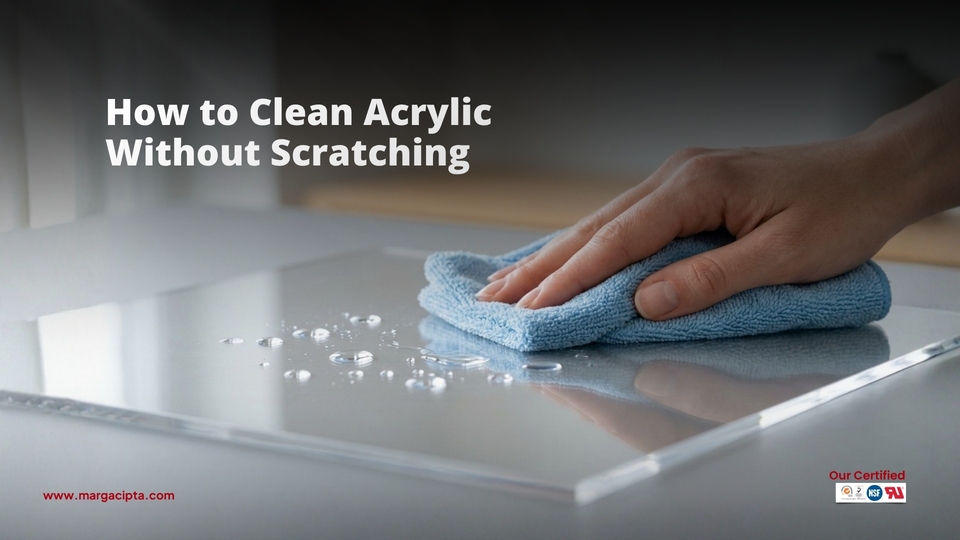
When cleaning an acrylic surface, always use a soft microfiber or 100% cotton cloth. These materials are gentle and help remove dust and fingerprints without scratching the surface.

Before applying any cleaning solution, it’s a good idea to lightly rinse or blow off loose dust particles to prevent them from causing fine scratches when wiped.

2. Don’t Use Rough Materials or Paper Towels

Many people mistakenly use paper towels, sponges, or regular cleaning rags on acrylic sheets. These materials may seem soft but can actually be abrasive enough to create tiny scratches.

Over time, these scratches accumulate and cause the acrylic to appear dull or hazy. Avoid using any rough fabric or material that could compromise the surface.

Read also: Why Cast Acrylic Is Better Than Glass: Benefits You Should Know

3. Do Use Acrylic-Safe Cleaners

If you’re using a cleaning solution, make sure it’s specifically formulated for acrylic or plastic surfaces. You can also use mild soap mixed with water for everyday cleaning.

Spray the solution onto the cloth rather than directly onto the sheet, then gently wipe in a circular motion to remove dirt and grime. Rinse with clean water afterward and dry with a fresh, soft cloth.

4. Don’t Use Ammonia or Alcohol-Based Products

One of the biggest mistakes in cleaning acrylic is using harsh chemical cleaners like glass cleaner, alcohol, or products containing ammonia.

These substances can cause the surface to crack, discolor, or become cloudy over time. Even though acrylic may look like glass, it’s chemically different and much more sensitive to solvents. Avoid any cleaner not labeled as safe for plastics or acrylic.

5. Do It Carefully with Clean Hands

Before you begin cleaning, make sure your hands are clean to avoid transferring oils and dirt onto the surface. Move your hands gently and avoid applying excessive pressure.

If you’re cleaning a larger sheet or panel, support it evenly to prevent bending or stress that might cause cracks.

Read also: Acrylic Sheet Thickness Guide: How to Choose the Right One

6. Don’t Use Dry Wiping Methods

Never clean an acrylic sheet while it's dry. Dry wiping can drag dust and dirt particles across the surface, increasing the risk of scratching.

Always ensure the surface is wet or at least slightly damp before wiping, as this creates a buffer between the cloth and the acrylic.

7. Do Regular Maintenance

Routine maintenance helps prevent the buildup of dust, oil, and grime that can be harder to remove later. Cleaning your acrylic sheets regularly using the right methods will keep them looking crystal clear and reduce the need for harsh scrubbing or polishing.

Consistency in care goes a long way in preserving the appearance of your acrylic installations.

Cleaning acrylic sheet the right way is essential if you want to maintain its beauty, durability, and clarity.

While acrylic is a strong and versatile material, it still needs gentle handling and the proper techniques to stay in top condition.

Avoid common cleaning mistakes, choose the right materials, and your acrylic sheet will remain as stunning as the day it was installed.

Need high-quality cast acrylic sheet for your next project?

Visit our Instagram for more details about our cast acrylic sheets, or download our Product Catalog here.